Labour market
UAEU reports 4,500 students and alumni at its 2026 career fair
More than 40 employers joined a campus event backed by CV clinics, mock interviews and career advice.
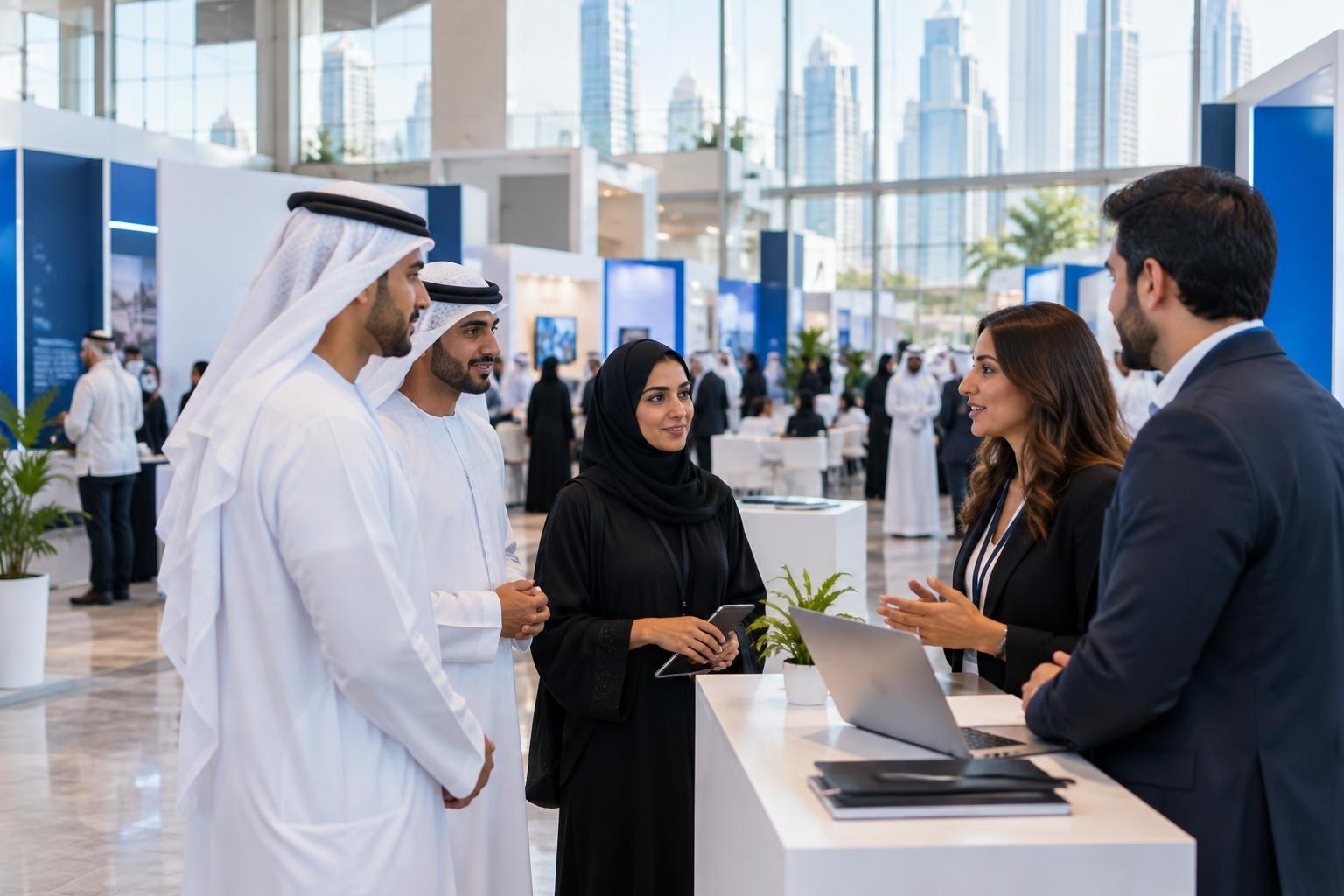
The United Arab Emirates University reported on 8 October 2026 that its Career Fair 2026 attracted 4,500 students and alumni and more than 40 employers. The university also described a preceding Professional Readiness Week with CV clinics, mock interviews and career counselling. The release reports an event that has taken place; it is not a new invitation to attend.
The combination matters because access to recruiters and readiness for a conversation are different things. For graduates, the news provides a useful example of how preparation can make a campus meeting more productive. For employers, it highlights the value of explaining what entry-level work actually involves.

Translate academic work into an employer’s question
A graduate’s strongest example may come from a final-year project, a laboratory assignment, part-time work or a student activity. The useful explanation identifies the task, the person’s own responsibility and the result. It should also make clear which parts were completed with a team or supervisor.
A CV clinic can help organise that evidence, but the underlying experience must remain accurate. Replacing a modest project with an inflated job title makes later questions harder to answer. A clear description of research, coordination, analysis or customer contact gives an employer something concrete to discuss.
Practise the first conversation
A mock interview is most helpful when it resembles a real role. Candidates can practise explaining one technical decision, one problem they corrected and one instance of working with others. Asking a listener what remained unclear often produces a better revision than memorising a longer introduction.
At a fair, an employer may have only a few minutes for each visitor. Preparing two relevant questions helps: what does a new starter do in the first months, and how is their work reviewed? These questions connect education to the actual workplace without assuming an immediate offer.
Make internships and employment distinct
The university’s report brings employment, training and professional development into the same conversation. Candidates should still establish which route they are considering. An internship, a graduate development programme and a permanent vacancy can have different assessment stages, time commitments and eligibility rules.
Before accepting any arrangement, obtain the actual terms from the responsible organisation. Ask how supervision works, what learning or duties are expected and what the next stage involves. The existence of a university event does not replace those details or guarantee that a participant will be selected.
What employers can take from the campus model
Hiring teams can make graduate outreach more useful by describing tasks in language that connects to study. A short example of a typical assignment gives candidates a way to demonstrate relevant thinking, even when they have limited formal employment history.
After the event, publish a clear application route and keep the role requirements consistent across the stand, website and interview. Candidates who received advice rather than an interview should understand that distinction. A good campus relationship can support future learning and recruitment while remaining honest about the number and status of current opportunities.
Go to the source
Sources
Requirements and processes can change. Use the original source for the latest details that apply to your circumstances.