
Transport and work
Abu Dhabi’s transport investment highlights digital operations skills
The 2 October announcement concerns future system development, not immediate changes to every passenger journey.
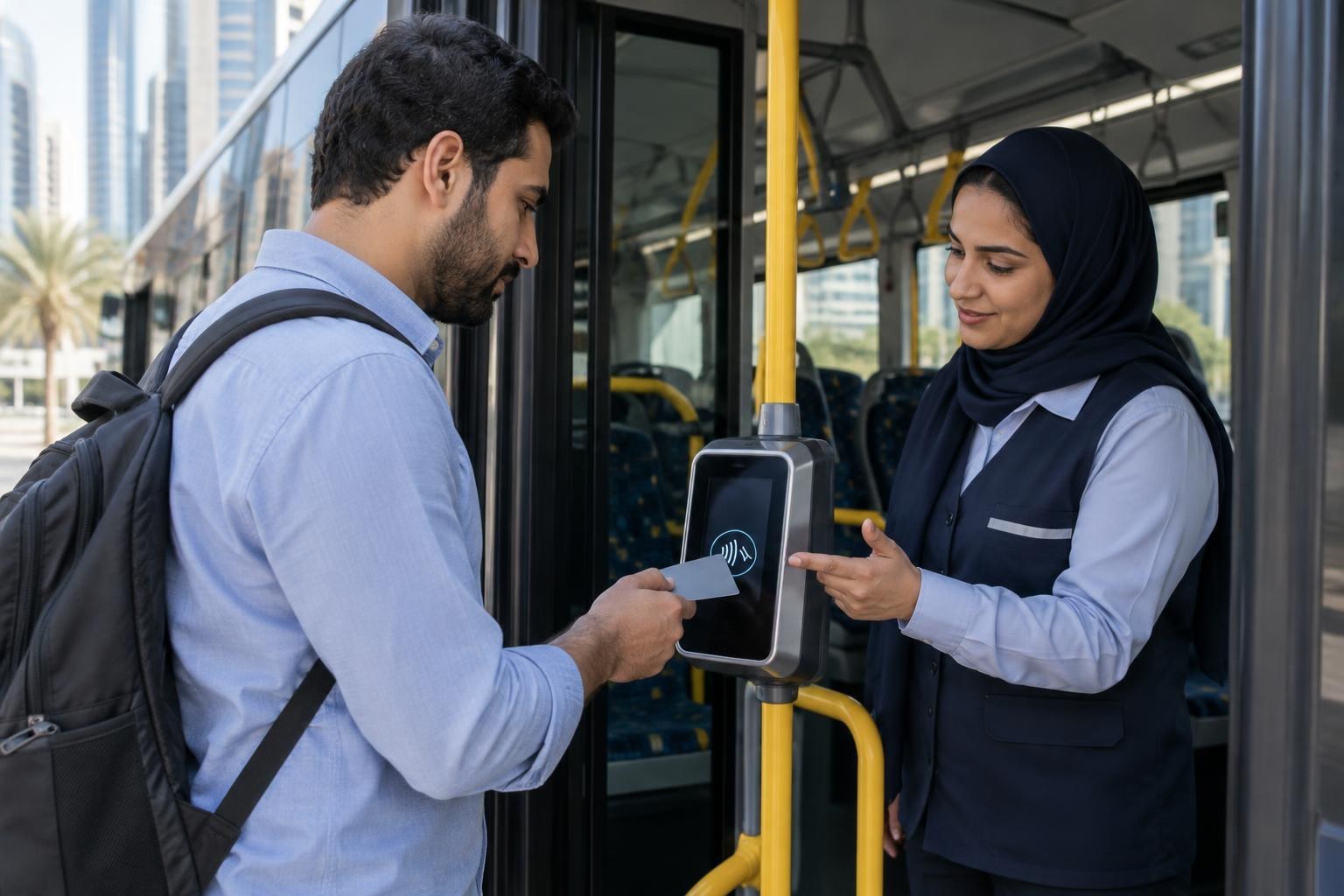
Transport work increasingly involves interpreting information as well as moving people. On 2 October 2026, Abu Dhabi Mobility announced investment exceeding AED300 million in next-generation public-transport systems, including vehicle management and digital fare collection. This is a project announcement, not proof that all planned payment options or operational features are already available across the network.
For JobSeekers considering transport operations, dispatch support or customer service, the relevant question is which practical skills help a team use information accurately. For employers, it is how to prepare staff for a process change without leaving passengers or colleagues confused. HEYVN’s analysis below translates that context into preparation questions; it does not claim that the project has announced new vacancies or specific job qualifications.
Learn to report an operational issue clearly
A useful report separates what happened from what you assume caused it. Practise recording a fictional vehicle identifier, time, location, observed problem and action taken. Keep the description concise enough for the next person to use during a busy shift.
In an interview, explain when you would contact a supervisor rather than improvise. Accuracy, calm communication and an organised handover are relevant evidence for many operational roles. Do not claim access to a particular transport system you have never used.
Practise passenger communication
Prepare a clear explanation of an unfamiliar process using everyday language. Check what the person needs before repeating instructions. If a payment or journey issue is unresolved, explain the next approved support step instead of promising an outcome you cannot control.
Role-play with fictional details. Consider how you would communicate with someone who uses a different language or needs more time. The purpose is to demonstrate patient problem-solving, not to memorise an unsupported policy about refunds, fares or accessibility arrangements.
For employers: include people in system changes
A new interface needs a training plan, a way to report mistakes and a clear fallback when something fails. Identify which employees explain the change to passengers and which colleagues investigate the underlying problem. The two groups need a shared vocabulary and a useful handover.
Test training with realistic but fictional cases. Ask staff to show the process rather than only confirming they have read a document. Record the questions that remain unclear and update the local instructions through the responsible team.
Use current service information for today’s travel
Check the operator’s current passenger guidance before relying on a particular payment method or route feature. Project descriptions are useful background, but they are not a substitute for live operating instructions. Keep future capabilities separate from confirmed current services.
For a career profile, list the systems and tasks you have actually used, your language skills and examples of reliable reporting. A changing transport environment can guide a learning plan without justifying invented experience, salary expectations or predictions about how many people will be hired.
Go to the source
Sources
Requirements and processes can change. Use the original source for the latest details that apply to your circumstances.